The Flag Is a Liar: How Pin Sheets Decide Your Fate Before You Swing
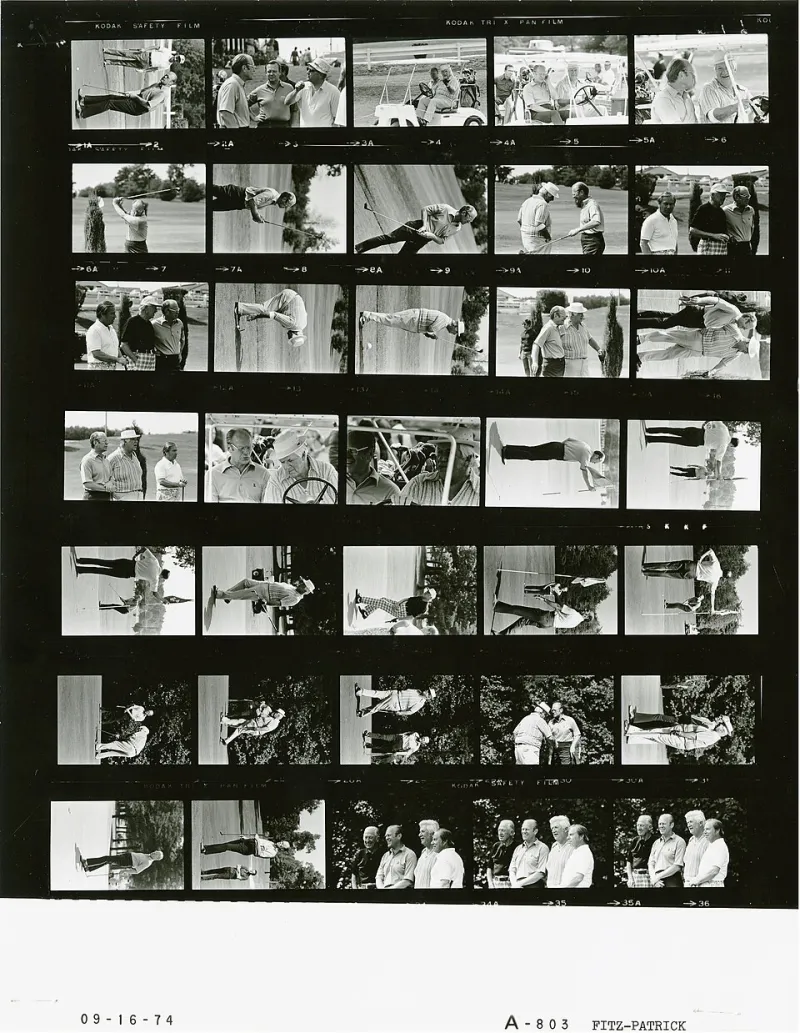
Photo: White House Photographic Office (WHPO) - Fitz-Patrick, Public domain, via Wikimedia Commons
Golfers love a good pre-shot ritual. We check the wind, lick a finger, stare at the flag like it owes us money, and then consult enough gadgets to launch a small satellite. Meanwhile, the most useful piece of paper in the golf shop is often ignored: the daily pin sheet. It is a tiny grid with numbers and dots, and it quietly decides whether your 7-iron is a hero or a goat.
The Little Sheet That Runs the Asylum
A pin sheet is not glamorous. It usually looks like a spreadsheet that escaped from a middle school math class. But it tells you where the hole is cut, how deep it sits from the front edge, how far it is from the side, and sometimes which tier or shelf the superintendent chose that morning. Course setup crews use it to balance fairness, turf health, pace of play, and the occasional desire to make grown adults cry into their scorecards.
That last part is not a conspiracy. Superintendents have a job: protect the greens, keep play moving, and create a test that fits the day. A front pin on a soft green can welcome a run-up shot. A back pin behind a false front can turn a decent approach into a sad little elevator ride back down the hill. Same hole. Same yardage. Completely different emotional damage.
Why the Same Hole Plays Like Two Different Holes
Consider the classic American par 3. On paper, it is 150 yards. In reality, it is at least three holes depending on the flag. A pin in the front third might let you land a 6-iron short and watch it trundle toward the cup. A pin on a back shelf might require a high, soft shot that stops on a dime the size of a dinner plate. And a pin tucked four paces from the edge behind a bunker might require a golf swing you have not yet invented.
At Pinehurst No. 2, those crowned greens make the pin sheet feel like a weather report for a hurricane. The same chip that looks simple from the fairway can pick up speed, miss the cup by a foot, and keep going until it finds a new time zone. At TPC Sawgrass, the 17th island green is famous for water, but the pin placement is the real puppet master. A front flag shortens the hole and invites bravery. A back flag makes the island feel smaller, the wind feel stronger, and your hands feel like they belong to someone else.
The Ace-Friendly Pin: They Exist, and They Are Glorious
Here at Hole in One King, we believe every swing has a shot at glory. We also believe some pins have better legal representation than others. An ace-friendly pin usually sits in the front or middle third, on a relatively flat section, with no cruel tier between your ball and the hole. It is visible. It is accessible. It does not require a miracle, a membership, or a pact with the golf gods.
When the sheet shows a front pin on a par 3, pay attention. That is the day to attack. The hole is shorter in effective yardage, the landing area is bigger, and a well-struck shot can use the green instead of fighting it. You still need a decent swing, but the course is at least holding the door open for you. That is not charity. That is geometry with manners.
The Sucker Pin: A Masterclass in Hope and Regret
The sucker pin is the one that looks beautiful on the sheet and evil in person. It sits on a back shelf, or behind a bunker, or four paces from a steep runoff. It is the pin that makes you say, I can get that. Reader, you probably cannot get that. Not consistently. And the golf course knows it.
A back pin on a deep green can turn a good approach into a 50-foot putt. A tucked pin behind sand can turn a cautious amateur into a temporary daredevil. A pin on a tier above your ball can turn a smooth wedge into a bobsled run. The ace odds drop because the target is smaller and the miss is meaner. The three-putt odds rise because your first putt is basically a suggestion, and your second putt is an apology.
A Field Guide to Reading the Sheet Like a Caddie
You do not need a degree in turfgrass science to use a pin sheet. You need three minutes and a little honesty. First, find the depth number. A pin listed as 6 from the front is a different planet from a pin listed as 32 from the front. Second, check the side pace. A flag eight paces from the edge is flirting with trouble. Third, look for contour notes or a green map. If the pin sits on a shelf, your ball needs to land on the shelf. Gravity is not a member of your foursome.
Then do the boring adult part. Pick a target that matches your actual shot shape, not the one you had in a dream last Tuesday. If the pin is back-right and your natural miss is short-left, aim at the middle and take your par. If the pin is front and the green is soft, be aggressive. If the pin is tucked and the wind is up, be the person who plays for the center and buys the first round. That person usually has more fun.
The Amateur Anecdote That Proves the Point
A league buddy of mine plays the same 135-yard par 3 every Wednesday at a muni that shall remain nameless because he still owes the pro shop money. One week, the pin was front-left on a flat shelf. He hit a ordinary 8-iron, watched it bounce once, and nearly made an ace. The next week, the pin was back-right behind a bunker. He hit the same club, made decent contact, and walked away with a three-putt and a new distrust of flags.
Same golfer. Same swing. Same hole. Different pin sheet. That is the whole secret. Glory is often less about finding a new swing thought and more about showing up on the day the course is willing to cooperate.
The 2026 Practical Playbook
Before your next round, ask the pro shop for the pin sheet. Many courses post it or hand it out, and some golf apps show daily hole locations. Circle the par 3s. If the pin is in the front third, consider it an ace-chasing opportunity. If it is on a back shelf, aim for the center and treat par like a small victory. If it is tucked behind sand, aim away from the flag and let your playing partners donate to the bar tab.
Pin placement is not destiny, but it is a strong suggestion. The flag is a liar. The sheet is the truth. Read it, respect it, and know when to attack. Every swing has a shot at glory, but some pins are definitely more willing to sign the paperwork.