You Sank It, Now You Owe: The Beautiful Racket of the Hole-in-One Bar Tab
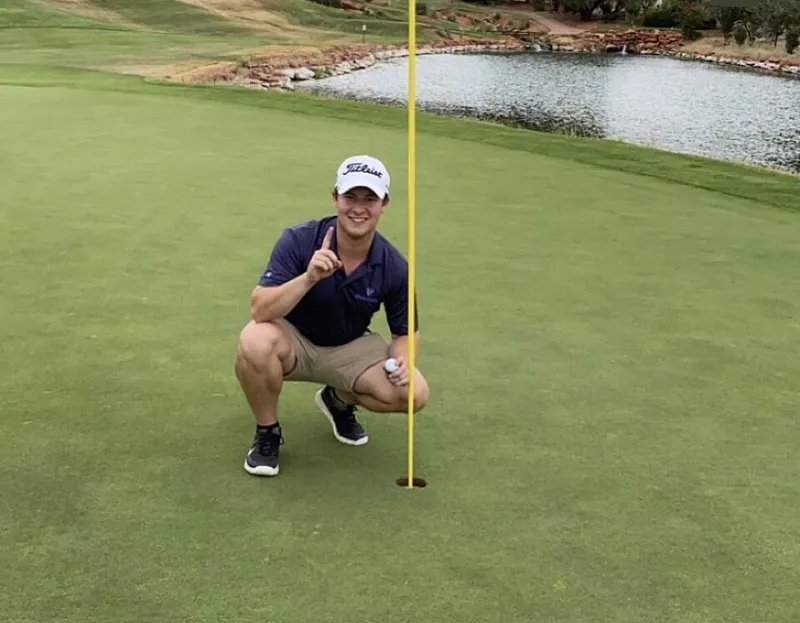
Photo: Mheref36, CC BY-SA 4.0, via Wikimedia Commons
There's a moment, right after your ball disappears into the cup on a par 3, when pure euphoria collides with a cold financial dread. Because every golfer in America knows the ancient, unspoken rule: the ace buys the drinks.
Nobody hands you a rulebook about this. It's not in the USGA's Decisions on the Rules of Golf. But try holing out at a muni in Ohio and walking to your car without settling up. You won't make it past the parking lot with your dignity intact.
The Debt Is Real, and It's Delicious
I've heard the stories. A retired schoolteacher from Peoria who aced the 11th at his local public track and bought the entire Friday afternoon league — 34 players — two rounds each. Total damage: $412. He calls it "the happiest bill I've ever paid."
Then there's the guy at a swanky Scottsdale resort who dunked one on the 17th, only to learn the club's "tradition" meant a bottle of the good stuff for the men's grill. His tab allegedly cleared four figures. He reportedly asked the pro shop if he could pay in installments. They said no. He paid. He also reportedly came back the next year hoping to do it again, which tells you everything about golfers.
The custom has folklore roots. In Scotland, where golf's traditions were brewed alongside its whisky, the lucky golfer bought a round (or a full case) for the clubhouse. American golf imported the habit along with the rest of the etiquette, and we did what America always does with imported traditions: we supersized them.
Is the Tradition Fair? (No. Do It Anyway.)
Let's be honest about the math. A hole-in-one is, for most of us, a once-per-lifetime lottery win. Asking the winner to finance the party is like asking the jackpot ticket holder to buy the casino a round. It's regressive. It's absurd. It's also completely non-negotiable.
Budget golfers have developed workarounds. Some players quietly carry a "ace insurance" envelope — twenty bucks stashed in the bag, a pre-funded down payment on glory. Others negotiate terms in advance: "If I make one, I'm buying the first round and the story is free after that."
And honestly? The griping is part of the fun. The bar tab is the toll you pay for a lifetime of bragging rights. Four hundred dollars for the single greatest story you'll tell at every cookout until you die is, by any accounting, a bargain.
The Ledger Nobody Talks About
Here's the part that surprised me: some courses actually keep score. Not on the handicap sheet — on something less official. A bar mat behind the 19th hole. A napkin in the pro shop drawer. At one municipal course I visited, the barkeep keeps a running list titled simply "OWED."
One assistant pro told me they can name every member who's aced in the last decade and whether they "settled." The ones who paid are spoken of warmly. The ones who didn't? Their names are delivered with a certain arctic tone usually reserved for slow play and ball markers left in putting lines.
The Golf Gods, it seems, have an accounting department, and it's staffed by bartenders.
Paying Forward the Magic
Not every settlement is liquid. Some golfers buy a round of range balls for the junior clinic. One man in Michigan donates a sleeve of Pro V1s to the lost-ball fund every year on the anniversary of his ace. Another buys the beverage cart a round every time he plays the hole — which, at his pace of improvement, will keep him in glory-debt well into the next century.
And maybe that's the real point. The tab isn't a punishment. It's the admission fee to a very small, very exclusive club — and unlike your country club dues, this one comes with a story worth the price. You sank one shot in ten thousand. The least you can do is buy the witnesses a beer.
So swing away. Chase the glory. Just check your wallet before you do — because at the 19th hole, the Golf Gods accept all major credit cards, and they've never once picked up their own tab.